Green Initiatives: How E-Waste Recycling Services Are Protecting Our Planet
E-waste represents a considerable hazard to the environment, as abandoned electronic devices commonly carry harmful materials. These toxic materials have the potential to taint soil and water sources, causing extensive damage to surrounding ecosystems. E-waste recycling services present a viable solution. They successfully retrieve useful resources while simultaneously minimizing environmental pollution. Gaining insight into how these programs function and affect local communities is critical. The journey towards effective e-waste management raises critical questions about individual responsibility and collective action. What actions should be considered going forward?
Why E-Waste Is Bad for the Planet
Even though technology enriches our daily lives, e-waste poses significant environmental threats. Disposed electronic equipment, often containing hazardous materials such as cadmium, lead, and mercury, may release harmful substances into groundwater and soil, posing risks to human health and ecosystems. The rapid pace of technological advancement results in increased consumer turnover of electronics, intensifying the growing problem of discarded electronic materials.
Landfills, already strained by waste, are unable to keep up with the rising quantities of abandoned electronics. Incineration, another disposal method, releases harmful pollutants into the atmosphere, contributing to air quality degradation. Furthermore, inadequate recycling methods can result in the shipment of electronic waste to underdeveloped nations, where workers may break down equipment without proper protective measures, putting themselves at risk of exposure to hazardous materials. This cycle of neglect and improper handling underscores the urgent need for sustainable recycling solutions that can mitigate the adverse effects of e-waste on the planet.
What Is E-Waste and Why Is It Important?
E-waste, also referred to as electronic waste, encompasses discarded electronic devices like computers, smartphones, and televisions that have reached the end of their useful life. This growing category of waste is significant because of its swift buildup, propelled by advances in technology and evolving consumer behaviors. As growing numbers of electronics become outdated, the ecological consequences become more pronounced, with dangerous elements including lead, mercury, and cadmium threatening both ecosystems and public health.
The importance of addressing e-waste lies not only in mitigating these hazards but also in recognizing the valuable materials it contains. Critical metals and rare earth components can be reclaimed and recycled, decreasing the reliance on mining and protecting natural resources. By understanding e-waste and its implications, individuals and organizations can make informed decisions about disposal and recycling, ultimately contributing to a more sustainable future. Responsible management of e-waste plays a key role in supporting a circular economy and championing environmental stewardship.
The Way E-Waste Recycling Functions
Recycling e-waste involves an organized procedure aimed at reclaiming useful resources while reducing harm to the environment. Initially, discarded electronics are retrieved and sent to specialized recycling facilities. After reaching the facility, the devices undergo thorough sorting to distinguish harmful elements from reusable resources.
Following this, employees take apart the items, recovering glass, metals, and plastics. This phase is essential, as it allows for the retrieval of high-value metals like silver, gold, and copper, which may be utilized in new electronics.
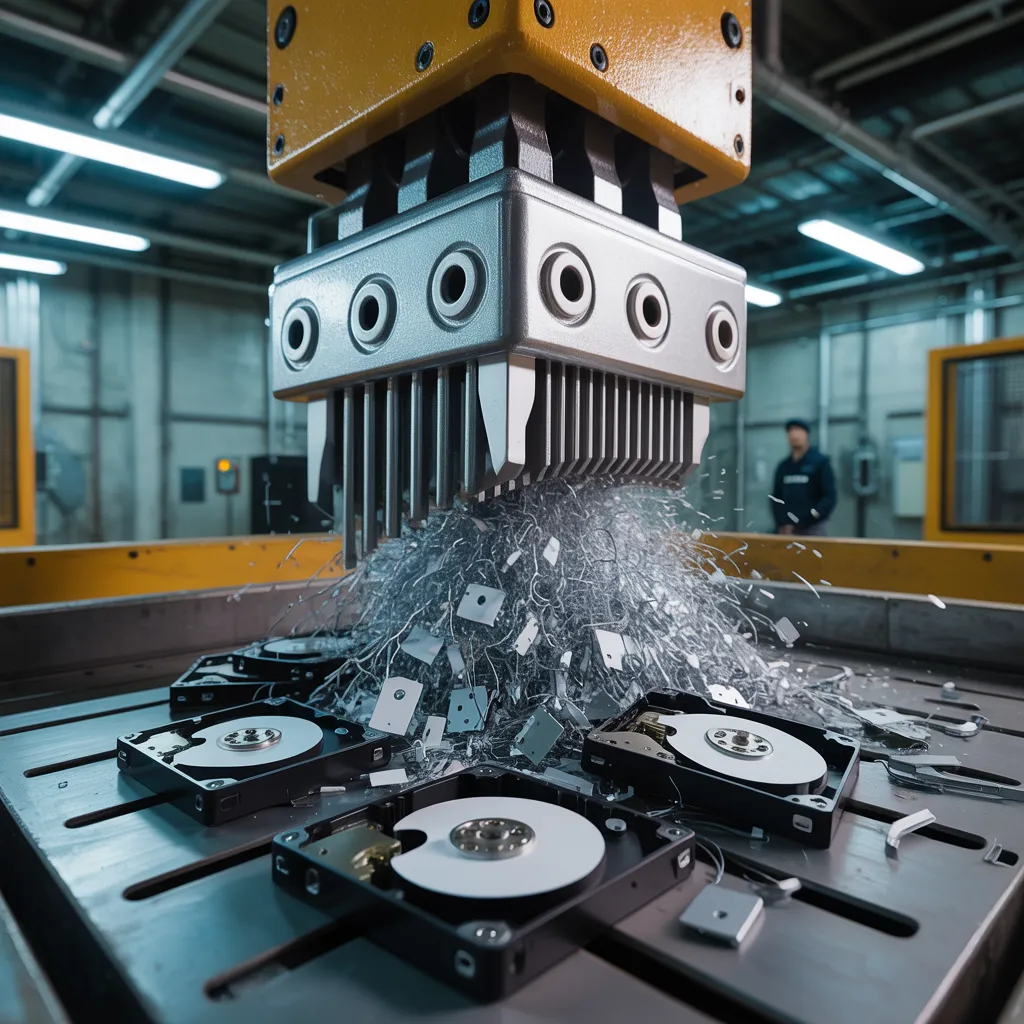
Subsequently, the separated materials are processed using state-of-the-art techniques, such as shredding and chemical treatments, to purify them for further use.
In the final step, the residual hazardous waste is handled with responsibility, adhering to environmental guidelines. This comprehensive process not only preserves valuable resources but also mitigates the risks connected to irresponsible electronic waste disposal, guaranteeing a greener future for the consumption of electronics.
Advantages of E-Waste Recycling for You and Your Community
Though many people are unaware, the benefits of e-waste recycling reach well past personal use to meaningfully influence entire communities. By carefully processing electronic waste, individuals help foster a safer environment, minimizing hazardous materials that can leach into soil and water. This forward-thinking practice works to protect local ecosystems and advances public health.
Additionally, e-waste recycling promotes the creation of jobs in communities. Community recycling operations commonly require workers for numerous tasks, spanning collection through processing, consequently creating meaningful employment for local residents. This not only stimulates the local economy but also inspires community dedication to sustainable efforts.
Moreover, awareness of e-waste recycling is capable of inspiring awareness campaigns, enabling residents to embrace sustainable practices. By taking part in e-waste recycling programs, individuals cultivate a culture of sustainability, encouraging others to embrace similar practices. Overall, the cumulative impact of these actions can result in a more strong and environmentally aware community.
A Guide to Selecting an E-Waste Recycling Service
Choosing the right e-waste recycling service is crucial for ensuring that electronic waste is processed in a responsible and sustainable manner. To begin, consumers should check the provider's credentials, such as e-Stewards or R2, which demonstrate conformance to professional guidelines for safe recycling practices. Additionally, it is advisable to evaluate the company's standing by reading customer reviews and obtaining recommendations from trusted sources.
Moreover, clarity in the recycling process is essential. A reliable company should supply straightforward details about how e-waste is processed and what becomes of the materials. Moreover, evaluating the range of services offered can be beneficial; various firms may supply retrieval services or extend benefits for recycling.
Ultimately, being aware of area-specific requirements for e-waste disposal can help inform the evaluation process. By prioritizing these factors, consumers can play a role in successful electronic waste reduction while supporting eco-friendly habits.
Ways You Can Participate in E-Waste Recycling?
Getting involved with e-waste recycling can start at the local level, where local recycling facilities often provide essential services for safe disposal. Furthermore, taking part in community awareness campaigns can amplify efforts to raise awareness about the importance of proper e-waste handling. Such efforts not only advance environmental sustainability but also cultivate a collective sense of stewardship of the environment.
Area Recycling Stations
Several neighborhood recycling stations perform an important function in recycling electronic waste, offering communities convenient opportunities to handle electronic waste in a responsible manner. These centers accept a range of electronic items, including used computers, handheld devices, and televisions, verifying that toxic materials are disposed of safely. The majority of facilities employ trained staff who help individuals navigate appropriate disposal procedures, highlighting the value of recycling rather than landfilling. Additionally, several stations organize scheduled drop-off occasions or specific collection dates, making it easy for residents to participate. By utilizing these local services, people help build a circular economy, lowering environmental harm and encouraging sustainable habits. Engaging with these centers allows communities to address e-waste pollution proactively.
Community Outreach Campaigns
Nearby organizations, schools, and enterprises can collaborate to host events that promote e-waste collection drives. Volunteers can play a pivotal role in promoting knowledge, handing out educational content, and interacting with the surrounding community. Through these collective efforts, residents become more informed and motivated to recycle their electronic waste, ultimately contributing to a more sustainable future.
Common Questions and Answers
What Kinds of Electronics Can Be Recycled?
Various electronics can be recycled, including smartphones, computers, laptops, televisions, printers, and gaming consoles. Furthermore, accessories such as batteries, keyboards, and mice are well-suited for recycling, Start here supporting sustainable environmental practices.
Are There Any Costs Associated With E-Waste Recycling?
That's correct, e-waste disposal can include fees, depending on the provider. Some facilities impose charges for pickup or handling, while other facilities make services available at no charge, frequently supported by the sale of reclaimed components.
How Can Businesses Benefit From E-Waste Recycling?
Organizations can gain from e-waste recycling by minimizing disposal costs, improving their green reputation, meeting compliance standards, recovering valuable materials, and potentially generating revenue through resale, thus supporting a greener and more sustainable operational framework.
What Occurs with Data on Recycled Devices?
Information regarding refurbished devices is often permanently erased or eliminated throughout the recycling process. This confirms private details remains secure, stopping improper access while enabling components to be recycled carefully and ethically in new products.
Are Broken Electronics Eligible for Recycling?
Absolutely, non-functioning electronics can be recycled. Numerous centers take in broken devices, providing responsible disposal and extraction of valuable materials. It helps decrease environmental impact while promoting sustainable recycling habits to control e-waste efficiently.